

Ford EV Lineup
Ford EV Lineup
The automotive industry is facing its most expansive transformation yet–the shift to electric vehicles. This is the future, and automakers around the world are embracing it with unique EV offerings. Whether you’re an environmental advocate or an environmentally conscious car owner, looking for a vehicle that produces zero emissions, Ford has something for everyone with its extensive lineup of top quality reliable EVs. From affordable options such as the electric Mustang Mach-E, to practical offerings like Ford electric trucks, Ewald Hartford Ford’s suite of electrified models can suit any driver’s needs. Scroll through this post to discover more about each EV and why they make perfect sense when considering your next ride!
Frequently asked questions about the Ford EV lineup
How many EV models does Ford have?
As of February 2023, Ford has three all-electric cars in its lineup, as follows:
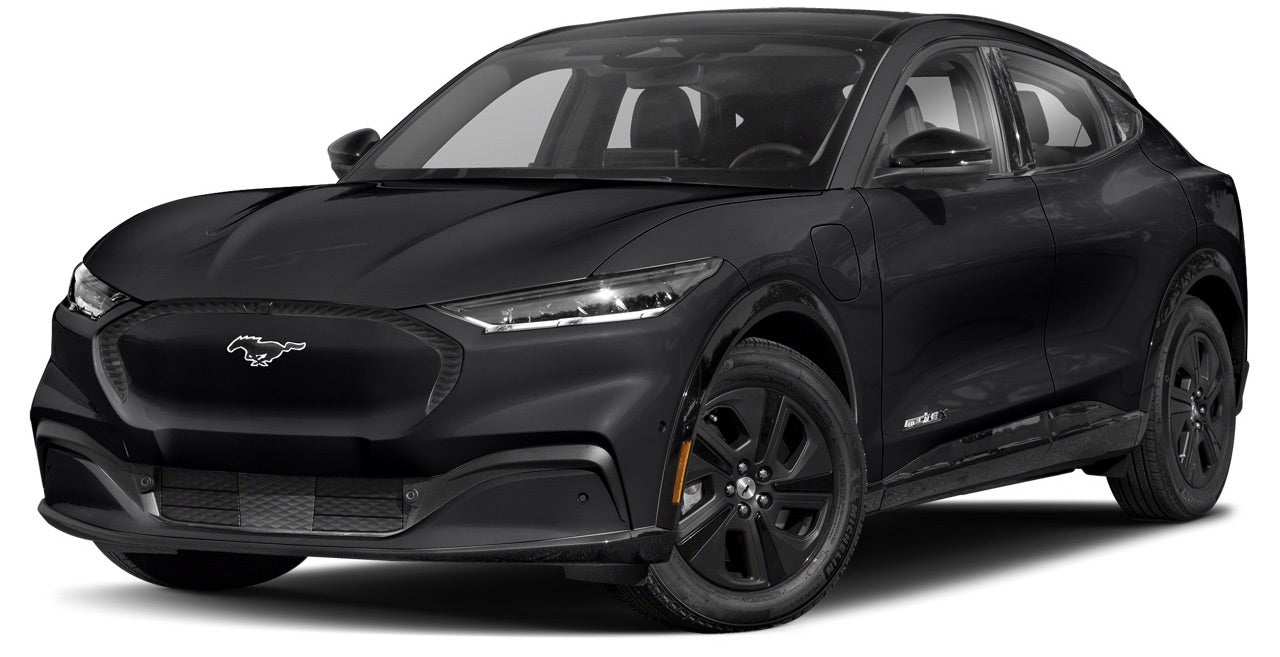
Ford Mustang Mach-E: This is a midsize SUV that was released in 2020 as Ford's first fully electric vehicle. The electric Mustang is available in both rear-wheel drive and all-wheel drive configurations and offers a range of up to 312 miles.
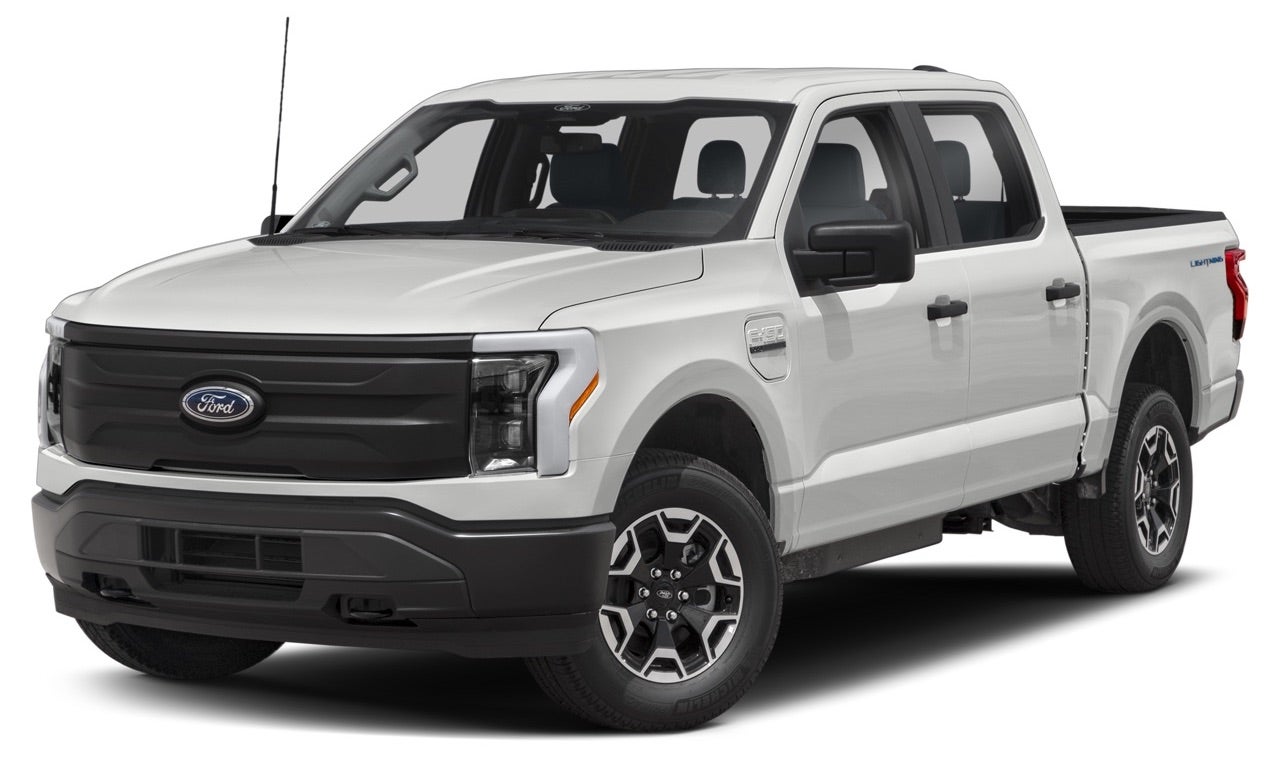
Ford F-150 Lightning: This is an electric version of the company's popular F-150 pickup truck that was released in 2022. This Ford electric truck has a range of up to 320 miles and can tow up to 10,000 pounds.
Ford E-Transit: This is an all-electric version of Ford's popular Transit van that was released in 2021. The Ford E-Transit electric van is aimed at commercial customers and offers a range of up to 126 miles.
In addition to these three Ford EV cars, Ford has also announced plans to release several more electric vehicles in the coming years, including an all-electric version of the Ranger pickup truck and an electric version of the Transit Connect van.
What is the range of Ford EVs?
As of February 2023, Ford has four fully electric vehicles in its lineup, each with its own range:
Ford Mustang Mach-E: This EV Mustang has a range of up to 312 miles on a single charge, depending on the battery size and drivetrain configuration on your Ford Mach-E.
Ford F-150 Lightning: This Ford electric truck has a range of up to 320 miles on a single charge, according to EPA estimates. The range of the Ford F-150 Lightning can vary depending on the battery size and other factors.
Ford E-Transit: This all-electric version of Ford's Transit van has a range of up to 126 miles on a single charge, according to EPA estimates.
It's worth noting that the range of a new electric car can vary depending on many factors, including driving habits, temperature, terrain, and other variables. Additionally, the EPA estimates may not accurately reflect real-world driving conditions for all drivers. It's always a good idea to consult with Ewald’s Hartford Ford to get a better sense of the actual range you can expect from a specific Ford EV car.
How long does it take to charge a Ford EV?
The time it takes to charge a Ford electric vehicle (EV) can vary depending on the specific model and the type of charging station used. Here are some estimated charging times for Ford's current EV lineup:
Ford Mustang Mach-E: The electric Mustang can be charged up to 80% in about 45 minutes using a DC fast charging station. If using a Level 2 home charger, a full charge can take around 10-11 hours, depending on the battery size.
Ford F-150 Lightning: This Ford electric truck can be charged from 15% to 80% in about 41 minutes using a DC fast charging station. If using a Level 2 home charger, a full charge can take around 10 hours, depending on the battery size.
Ford E-Transit: The Ford E-Transit electric van can be charged up to 100% in about 8 hours using a Level 2 home charger, depending on the battery size.
People also ask the following questions about the Ford EV lineup
What is the warranty for a Ford EV?
The warranty for a Ford EV can vary depending on the specific model and location, as warranties can differ between regions and countries. However, generally speaking, Ford offers a standard warranty for its electric vehicles that includes:
3-year/36,000-mile bumper-to-bumper coverage
5-year/60,000-mile powertrain coverage
8-year/100,000-mile coverage for the electric vehicle component parts, which includes the battery, battery pack, and electric drive system
It's important to note that this is a general guideline and the actual warranty for a Ford EV may vary based on the specific model, location, and other factors. It's recommended that you consult with our Ford dealership near you or Ford's official website to get more specific information about the warranty coverage for a particular Ford EV car.
How does the Ford EV tax credit work?
The federal tax credit for electric vehicles is available to eligible buyers of Ford EVs. The amount of the credit varies depending on the specific model and battery size, but it can be up to $7,500. The credit is applied to your income tax return, so it's essential to consult with a tax professional to determine your eligibility and the exact amount of the credit you could receive.
How does the regenerative braking system work in Ford EVs?
Regenerative braking is a common feature in electric vehicles, including those made by Ford. The regenerative braking system in a Ford EV works by converting the kinetic energy generated by the vehicle's motion into electrical energy, which can be used to recharge the Ford electric truck’s battery.
Here's a basic overview of how the regenerative braking system works in a Ford EV:
When the driver applies the brakes, the vehicle's electric motor starts acting as a generator, converting some of the kinetic energy of the vehicle into electrical energy.
The electrical energy generated by the motor is then sent to the battery, where it is stored for later use.
By using regenerative braking, Ford EVs can help extend the range of the vehicle by reducing the amount of energy that needs to be drawn from the battery to power the vehicle.
The regenerative braking system can also be programmed to adjust the level of regenerative braking based on the driving conditions and the driver's preferences.
Overall, regenerative braking is a key feature of vehicles like the electric Mustang, as it can help improve the vehicle's efficiency and extend its range on a single charge.

Although every reasonable effort has been made to ensure the accuracy of the information contained on this site, absolute accuracy cannot be guaranteed. This site, and all information and materials appearing on it, are presented to the user "as is" without warranty of any kind, either express or implied. All vehicles are subject to prior sale. All prices are plus tax, title, license registration and $479 service fees. ‡Vehicles shown at different locations are not currently in our inventory (Not in Stock) but can be made available to you at our location within a reasonable date from the time of your request, not to exceed one week. Photos are for representation only. MSRP may not reflect total cost due to upfits or additional equipment. MSRP may not represent the actual price at which vehicles are sold in this trade area.